Bear Family in Cage: Save Animal Vector for Powerful Visual Storytelling
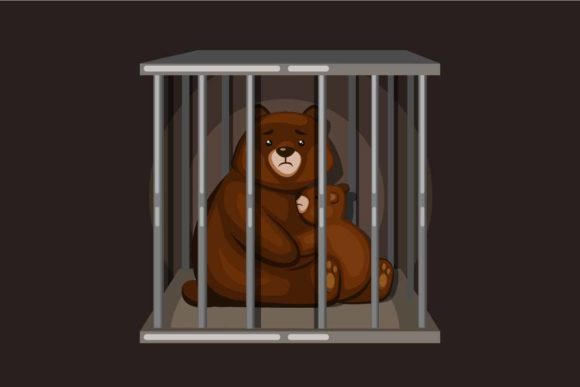
In the crowded landscape of digital content, a generic stock photo often fails to capture the nuance of a sensitive topic. When you need to convey a message about wildlife preservation, animal rights, or the emotional weight of captivity, standard imagery can feel sterile. This is where the Bear Family in Cage. Save Animal Vector illustration steps in. It is more than just a graphic; it is a narrative tool designed to evoke empathy and drive action. As a design asset, this vector illustration captures the somber reality of caged wildlife while maintaining a stylistic approach that works across various media, from digital campaigns to printed petitions.
The Visual Language of Captivity: Style and Personality
Understanding the visual characteristics of the Bear Family in Cage. Save Animal Vector is crucial for any designer or content creator looking to use it effectively. Unlike photorealistic imagery, which can sometimes be too jarring or difficult to integrate into a clean layout, this illustration relies on a cartoon vector aesthetic. This approach allows for a stylized representation of the bears and their enclosure, softening the harsh edges of reality just enough to make the image accessible to a broader audience without diluting the message.
The personality of this graphic is defined by its emotional resonance. It typically features a parent bear and cubs, a universal symbol of family and protection, juxtaposed against the rigid geometry of a cage. This contrast creates immediate visual tension. The style leans into modern illustration trends—clean lines, distinct color palettes, and expressive character design. It avoids the clutter of excessive detail, focusing instead on the posture and expressions of the animals. This makes the Save Animal illustration concept incredibly versatile. Whether you are using a limited color scheme for a minimalist website or a full-color version for a children’s educational book, the core message of "freedom lost" remains potent.
Strategic Applications: Where This Asset Shines
For the experienced marketer or brand strategist, the utility of the Bear Family in Cage vector extends far beyond simple blog decoration. In the realm of brand identity, organizations focused on animal welfare, zoo reform, or environmental conservation can utilize this illustration as a cornerstone of their visual language. It works exceptionally well for:
- Non-Profit Campaigns: Creating cohesive social media graphics for awareness months or fundraising drives. The vector format ensures the image scales perfectly from an Instagram story to a Facebook cover photo without pixelation.
- Editorial Design: Enhancing articles in magazines or online publications discussing ethical tourism, wildlife trade, or habitat loss. The illustration serves as a powerful break in the text, drawing the reader's eye to the core issue.
- Merchandise and Packaging: For brands that donate a portion of proceeds to wildlife charities, incorporating this design into packaging design or apparel graphics signals their values immediately.
- Presentation Decks: Entrepreneurs pitching eco-friendly business models or students presenting research on zoology can use this asset to add professional polish and emotional weight to their slides.
Because it is a vector, you have the creative freedom to manipulate the elements. You can isolate the bears to use as a mascot or use the cage as a framing device for text. This adaptability is a massive advantage over rigid raster images, allowing the Save Animal Vector to fit into diverse design assets libraries seamlessly.
Visual Hierarchy and Audience Engagement
Design is not just about aesthetics; it is about psychology. The inclusion of the Bear Family in Cage in your layout influences how a user processes information. In visual hierarchy, high-contrast, emotionally charged images naturally draw the eye. By placing this illustration near your call to action—such as a "Donate Now" button or a "Sign the Petition" link—you create a psychological bridge between the viewer's empathy and the desired action.
Furthermore, the illustration impacts brand perception. A brand that uses thoughtful, thematic creative fonts and imagery is perceived as more professional and caring. However, pairing this illustration with the right typography is essential. A jarring font can break the spell. If you are designing a poster, consider pairing this vector with a handwritten font or a script font for headlines to evoke a sense of personal touch and urgency. Alternatively, a sturdy sans serif font can provide a modern, journalistic feel, suggesting that the content is factual and urgent. Avoid overly decorative serif fonts that might make the design feel too dated or formal, distancing the audience from the emotional reality of the animals.
Practical Integration and Licensing
Before integrating the Bear Family in Cage. Save Animal Vector into your next project, a few practical considerations will ensure the best results. First, always evaluate the specific "fit" for your project's tone. While the cartoon style is versatile, ensure it matches the seriousness of your specific content. For a hard-hitting documentary poster, you might need to alter the color palette to be more desaturated and somber. For a children's educational app, you might keep the colors bright but use the image to teach about kindness.
Second, consider font pairing tests. Place your chosen typography next to the vector before finalizing the layout. Does the weight of the font match the line weight of the illustration? A mismatch here can make a design look amateurish. Finally, check the commercial licensing. Most premium fonts and vectors require specific licenses for commercial use, such as on merchandise or in paid client work. Ensure your usage rights are clear to avoid legal headaches later.
Ultimately, the Bear Family in Cage illustration is a powerful piece of visual storytelling. It combines the accessibility of cartoon vector art with the gravity of a serious cause. By using it thoughtfully within your web design, print materials, or social media strategy, you can transform a passive viewer into an active advocate for change.