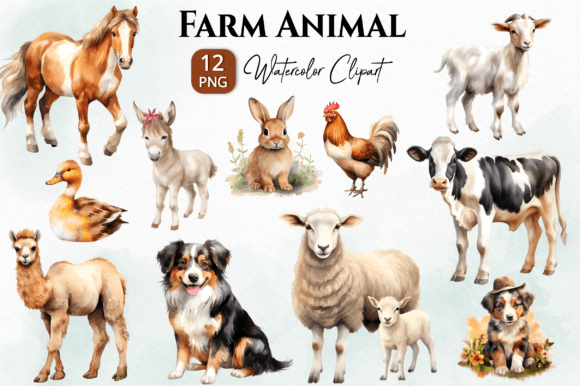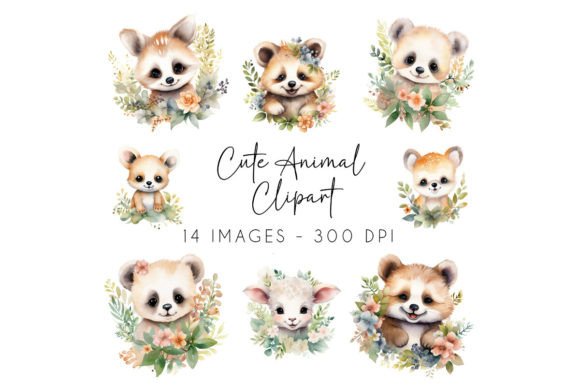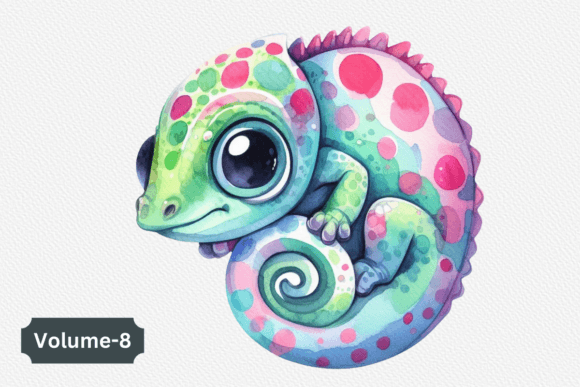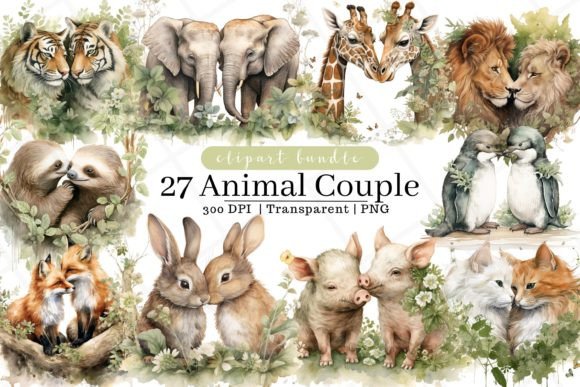
Watercolor Clipart Animal Sea Stingray: A Splash of Marine Elegance
Finding the right visual element can completely change the direction of a project. When you're working on something that needs to feel organic, calming, and slightly whimsical, stock photos often fall short. That is where hand-painted digital assets come into play. Specifically, the Watercolor Clipart Animal Sea Stingray offers a unique solution for creators who need high-quality illustrations without the time commitment of painting from scratch. This isn't just a simple graphic; it is a piece of digital art designed to bring the fluidity of watercolors and the grace of marine life to your screen.
The Visual Character of Hand-Painted Marine Life
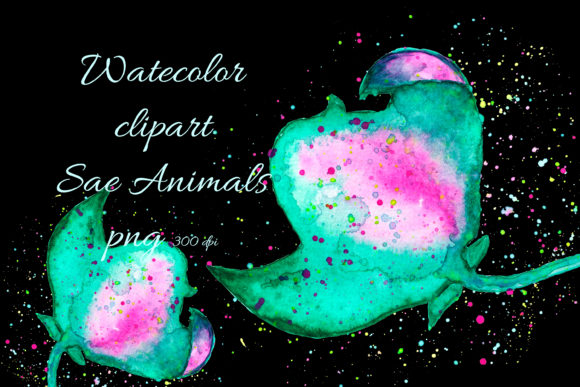
The style of this watercolor clipart relies on soft gradients and the natural bleed of pigment, which gives the stingray a sense of movement that digital vector art rarely achieves. When you look at the Watercolor Clipart Animal Sea Stingray, you notice the subtle variations in tone—areas where the paint pools darker to create depth, and edges where the color fades to almost nothing, allowing the texture of the paper to show through. This creates a "breathing" effect in the design.
Unlike rigid geometric illustrations, watercolor animals possess an inherent personality. The stingray, in particular, is a symbol of calm strength and fluidity. Using this type of creative font—or rather, illustration asset—adds a layer of warmth to your work. It feels human-made. In an era of AI-generated perfection, that human touch is a significant asset for brand identity. The soft blues and grays typical of these marine life illustrations evoke feelings of tranquility, making them perfect for wellness brands, children's education, or eco-friendly product lines.
Practical Applications for Designers and Entrepreneurs
Understanding where to deploy these assets is just as important as the assets themselves. Because the files are provided as PNGs with transparent backgrounds, they function as modular design assets. You don't have to worry about masking out backgrounds or dealing with white boxes around your image. This transparency is crucial for packaging design and social media graphics.
Here are a few specific scenarios where this clipart excels:
- Editorial Design and Publishing: If you are a blogger or publisher writing about ocean conservation, aquariums, or summer themes, this illustration serves as an excellent spot illustration. It breaks up text-heavy pages in magazines or e-books without distracting the reader.
- Event Stationery: The prompt mentions baby showers and weddings, and for good reason. The soft aesthetic of the Watercolor Clipart Animal Sea Stingray pairs beautifully with serif typography for elegant wedding invitations. For a baby shower, it suggests a "Little Man" or ocean theme that feels sophisticated rather than cartoonish.
- Digital Planning and Scrapbooking: For the hobbyist community, stickers are currency. A high-resolution (300 dpi) stingray image prints cleanly on sticker paper, allowing planner enthusiasts to decorate their journals with durable, crisp images.
- Logo Design and Branding: While you wouldn't typically use a raster image as the final vector logo, this clipart is perfect for mood boards or secondary branding elements, such as patterns on business cards or thank-you notes.
Technical Specifications and File Preparation
For the uninitiated, the technical details of premium font and asset packages can be confusing, but they are vital for a professional finish. The creator notes that these images are roughly 13-12 inches at their largest point with a resolution of 300 dpi. Let’s break down why that matters for your workflow.
Resolution (DPI): "Dots Per Inch" determines the sharpness of a printed image. Screen resolution is typically 72 dpi, but print requires 300 dpi to avoid pixelation. Because this Watercolor Clipart Animal Sea Stingray is created at industry-standard print resolution, you can use it on large posters or small business cards with equal clarity. You will not see jagged edges or blurry paint strokes.
Size and Scaling: At over a foot in width, the original file is large. This is a massive advantage. You can scale the image down significantly without losing quality. However, scaling up beyond the original size is where you risk seeing pixels. My advice for web design and digital use: resize the image to exactly the dimensions you need in software like Photoshop or Canva before uploading. This keeps your file sizes small and your website loading speed fast.
Integrating Watercolor Assets into Modern Typography
One of the challenges with organic art is pairing it with text. You have a beautiful, chaotic watercolor stingray, and now you need to place a headline over it. This is where understanding font pairing becomes essential.
Because the Watercolor Clipart Animal Sea Stingray is detailed and textured, you need a typeface that stands up to the visual noise. Avoid highly decorative or handwritten font styles for the main headline, as they can get lost in the paint details.
Instead, consider these pairings:
- Sans Serif Fonts: A clean, bold sans serif font creates a strong contrast against the soft watercolor edges. This modern typography approach grounds the design, making it look contemporary and professional.
- Slab Serifs: If you want a more traditional look, a sturdy serif font can bridge the gap between classic elegance and artistic flair.
- Script Fonts: If you must use a script font, ensure it is a "semi-script" that is easy to read, and place it in an area of the image with less detail or a lighter wash of color.
The goal is visual hierarchy. The eye should go to the message first, then appreciate the artistic element. By using the transparent nature of the PNG, you can layer the stingray behind text boxes or have it peek out from the corners of a layout, adding depth to your editorial design without compromising readability.
Evaluating Quality and Licensing
When sourcing assets for commercial use, the "look" is only half the story. As a designer or business owner, you need to ensure you have the rights to use the work. The listing mentions that the artist created these for long hours, implying a level of care that suggests a quality product.
Always review the licensing terms. If you are creating physical products like t-shirts or mugs, or digital products like templates for resale, you need to ensure the license covers "commercial use." Most reputable sellers of commercial font and clipart packages allow this, but it is your responsibility to check.
Furthermore, look at the file structure. A professional asset package should be organized and easy to download. When you invest in design assets, you are paying for convenience. You are saving the hours it would take to paint, scan, digitize, and clean up a watercolor image. If the Watercolor Clipart Animal Sea Stingray saves you three hours of work, it has paid for itself in project efficiency.
Final Thoughts on Creative Versatility
The true value of an asset like the Watercolor Clipart Animal Sea Stingray lies in its versatility. It is not limited to one niche. It can be the centerpiece of a child's nursery art print one day, and a subtle background texture for a corporate presentation about oceanography the next.
For the small business owner, it offers a way to compete with larger brands that have in-house design teams. You can create cohesive, high-quality marketing materials—from Instagram stories to email headers—without starting from zero. For the crafter, it brings a level of artistry to personal projects that standard stickers cannot match.
When you choose to incorporate hand-painted watercolor elements, you are choosing to add a human element to your digital footprint. You are moving away from sterile, generic imagery and toward something that feels crafted and intentional. Whether you are designing a wedding suite, building a brand, or simply decorating a planner, this marine life illustration provides the perfect blend of professionalism and artistic charm.